Gamay, granite hills and the ten crus above the Saône
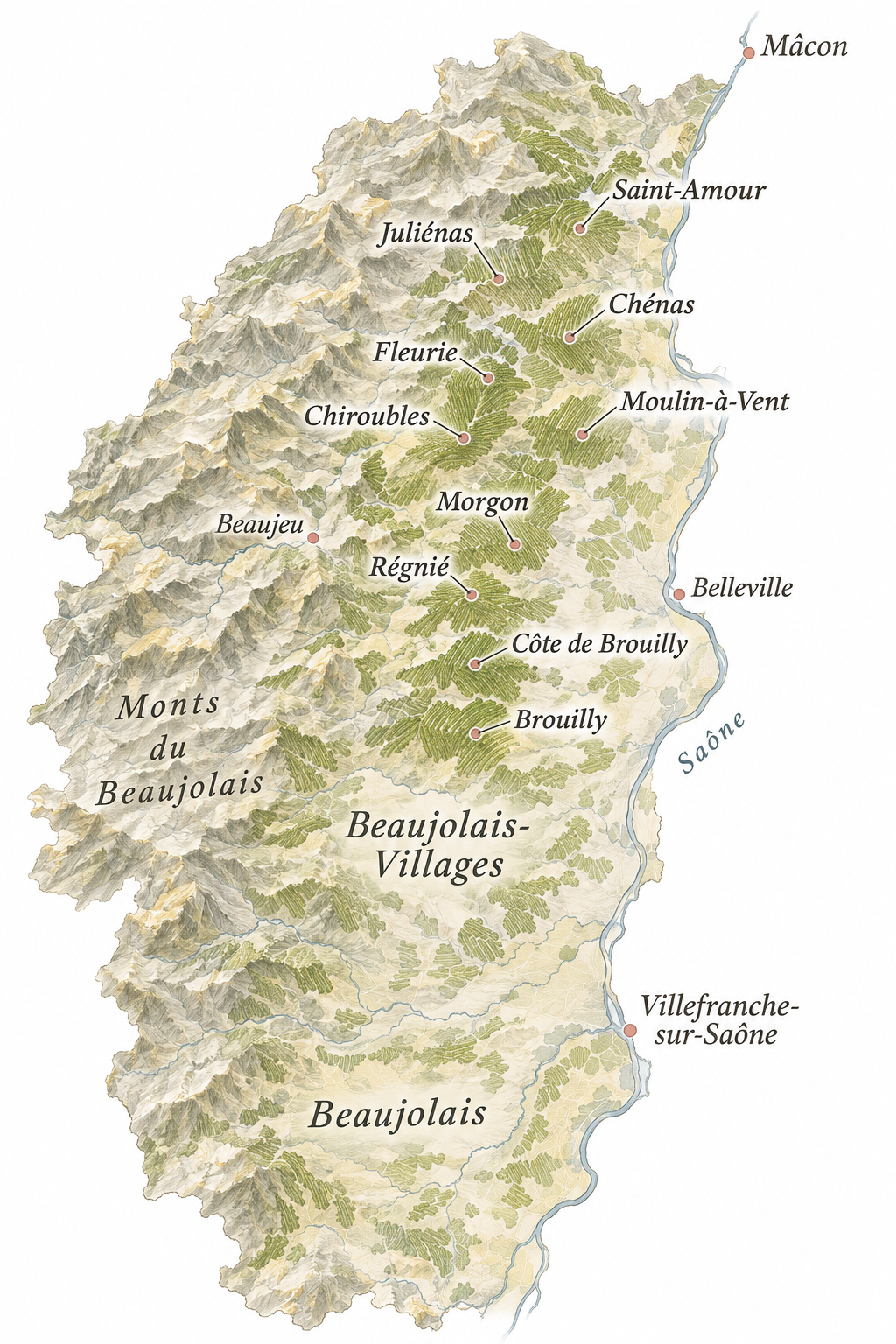
Beaujolais vineyards and the ten crus (illustrative locations)
Climate
Temperate climate with continental, Atlantic and Mediterranean influences.
Cold winters and occasional spring frosts can challenge the vines.
The Monts du Beaujolais help shield vineyards from westerly weather.
South- and east-facing slopes benefit from generous sunshine.
Summer warmth favours ripening, while the Saône valley moderates temperatures.
Summer storms, hail and heat can strongly influence individual vintages.
Terroir
Vineyards stretch about 55 km between Mâcon and Lyon, above the Saône plain.
Vines typically occupy hillsides between 200 and 550 metres in altitude.
Northern crus draw character from granite, schist and volcanic-origin rocks.
The southern vineyards more often have limestone and clay-rich soils.
Well-drained slopes and varied exposures create distinctive local expressions.
Twelve AOCs, including ten northern crus, express the region’s varied terroirs.
Culture & Tradition
Gamay is the signature red grape; Chardonnay is used for white wines.
Semi-carbonic maceration with whole bunches often emphasises fruit and perfume.
Beaujolais Nouveau is celebrated on the third Thursday of November.
The ten crus are distinct red-wine appellations, some suited to ageing.
Historic wine villages, harvest festivities and the Pierres Dorées landscape shape local life.
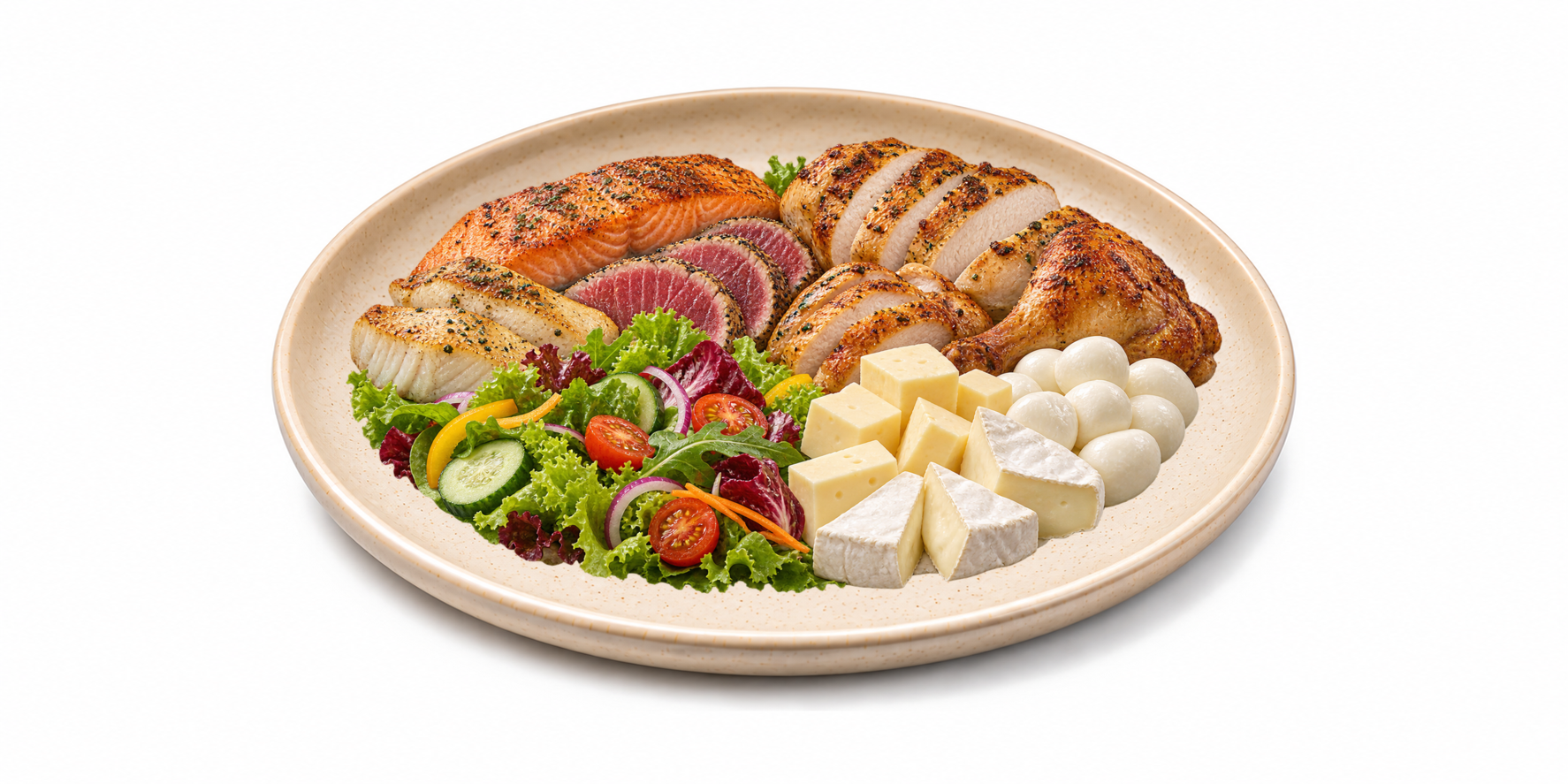
Wine is traditionally served with charcuterie, poultry and regional cheeses.
WYNEATLAS
explore by country —
discover the regions
GRAPES
02 / 03
grapes
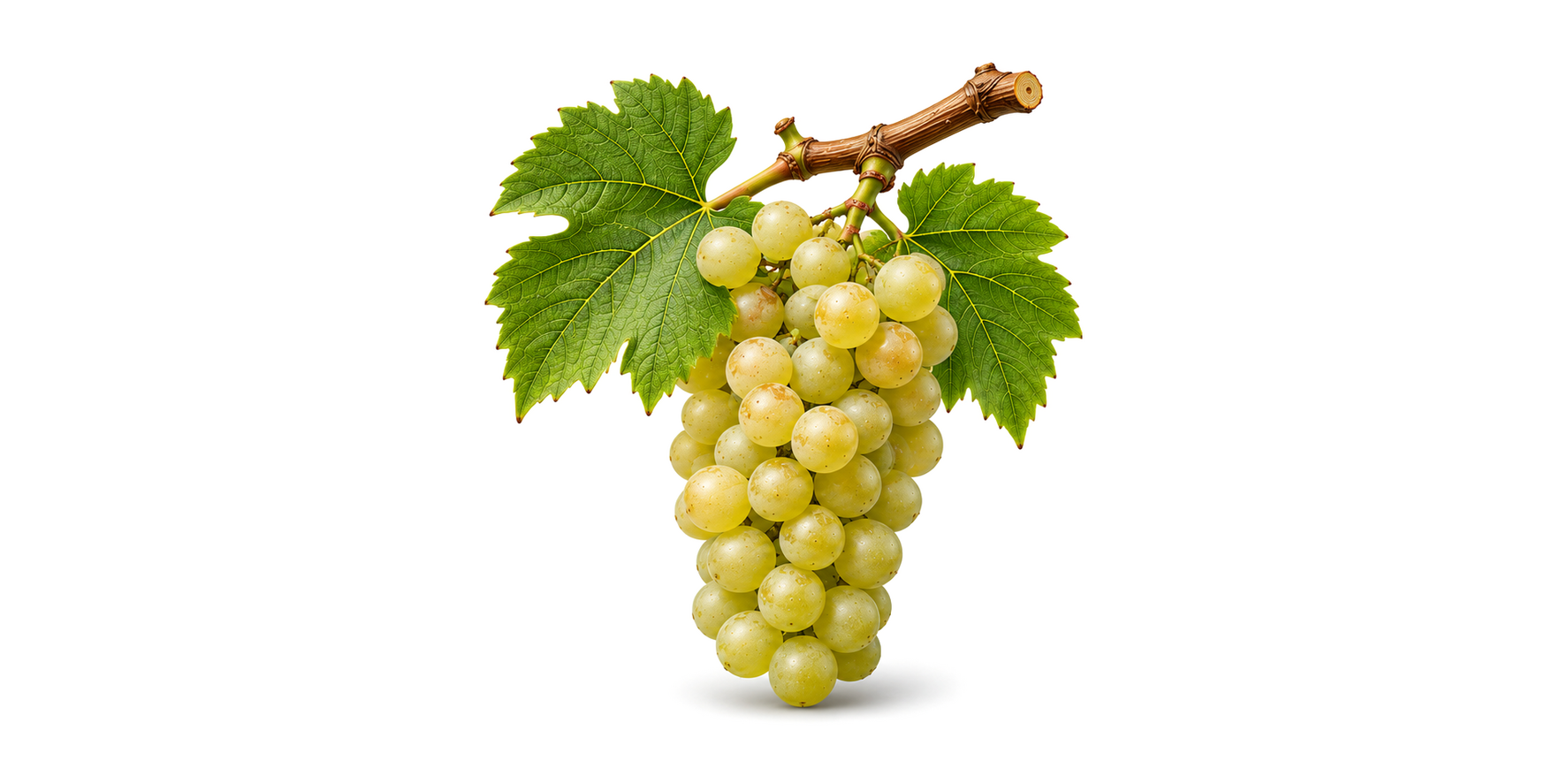
Gamay and Chardonnay: the two principal grapes of Beaujolais
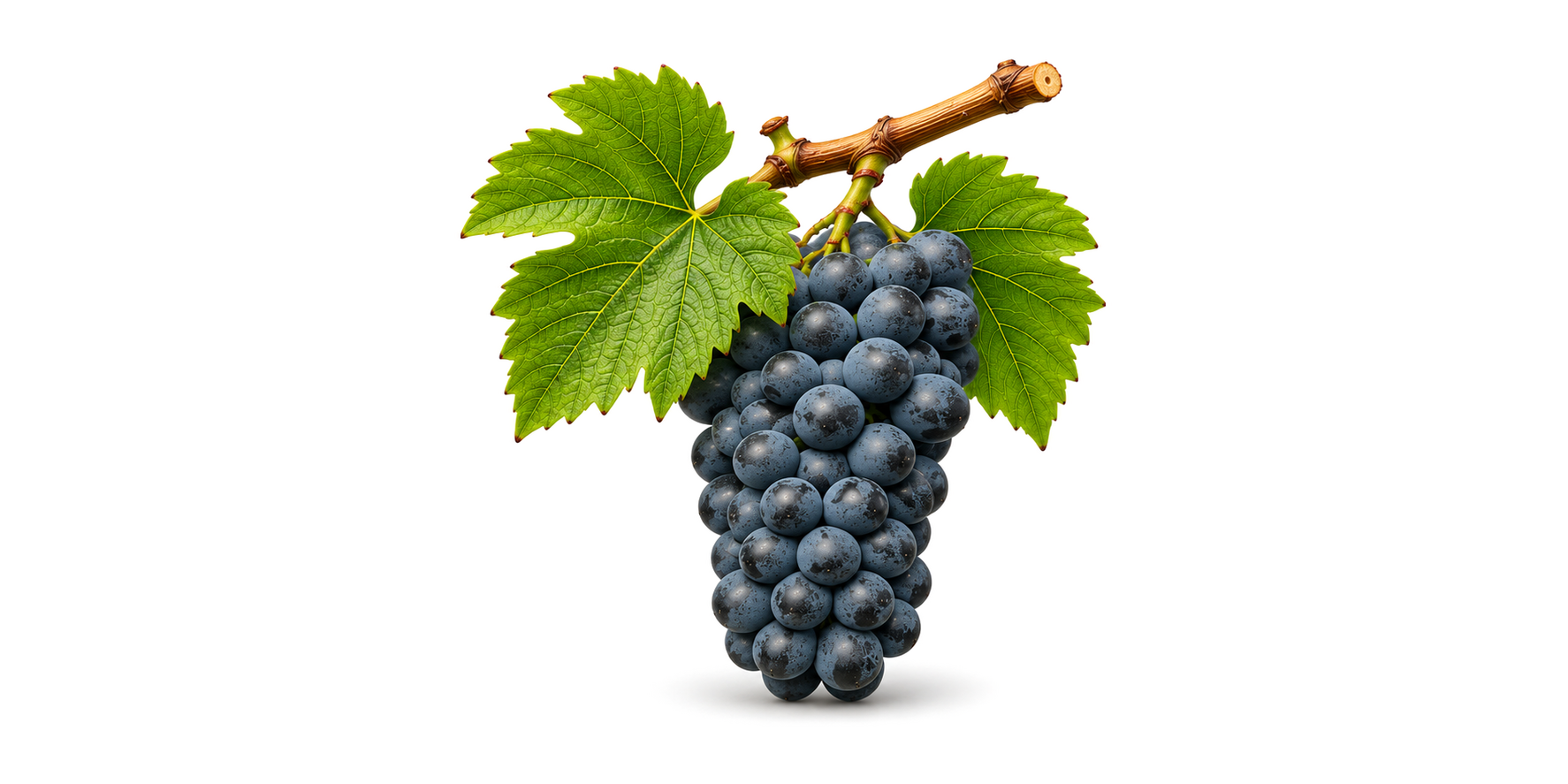
GAMAY
The signature red grape
Bright-fruited and expressive, from fresh wines to age-worthy crus.
In Beaujolais, especially on granite-rich northern hillsides, Gamay ranges from supple, early-drinking reds to structured crus. Whole-bunch fermentation can emphasise its vivid fruit and floral character.
WINE STYLE
light to medium-bodied · lively acidity · gentle to firm tannins
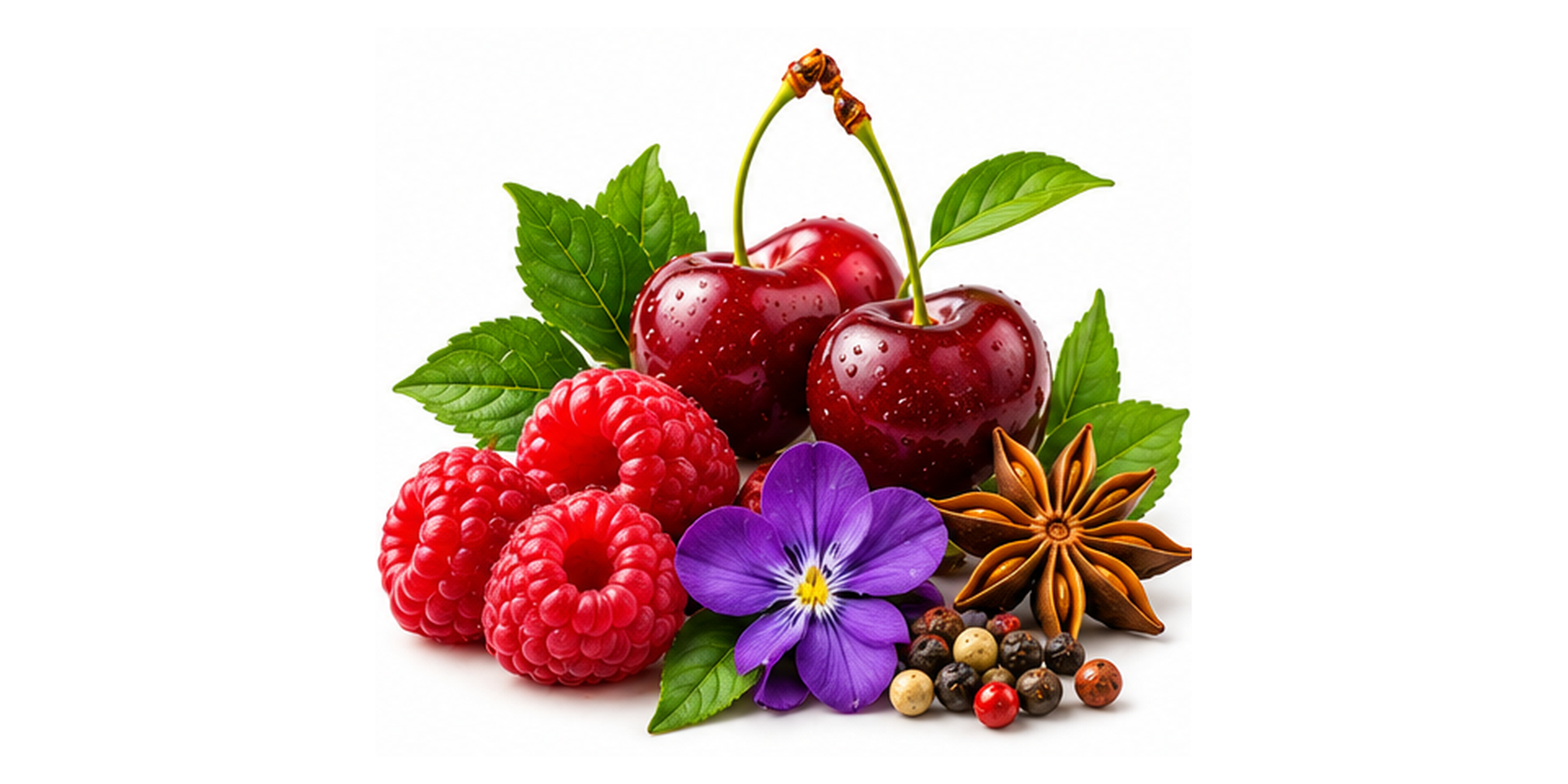
TYPICAL AROMAS
cherry · raspberry · violet · spice
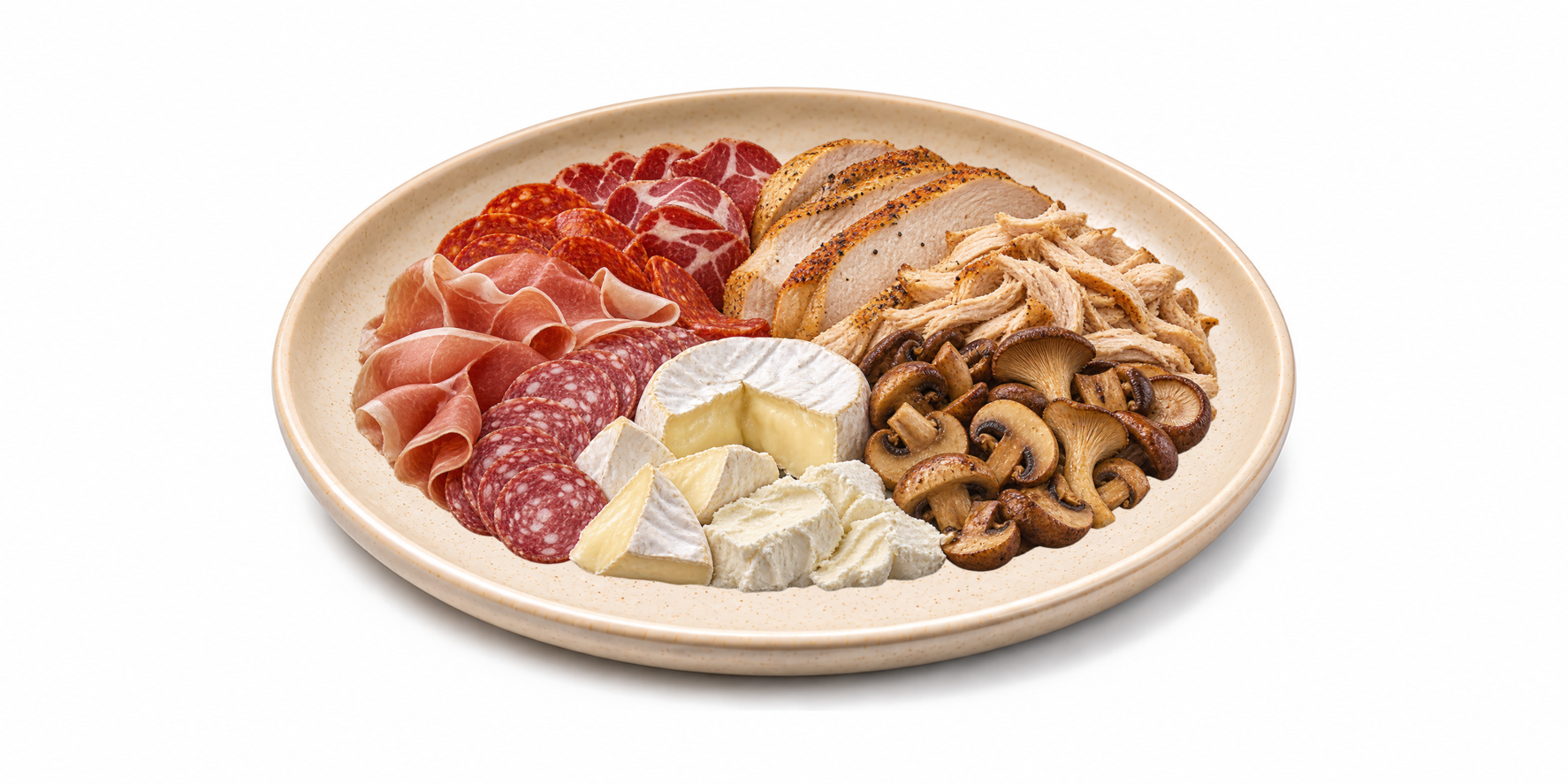
FOOD PAIRING
charcuterie · poultry · mushrooms · soft cheese
CHARDONNAY
The principal white grape
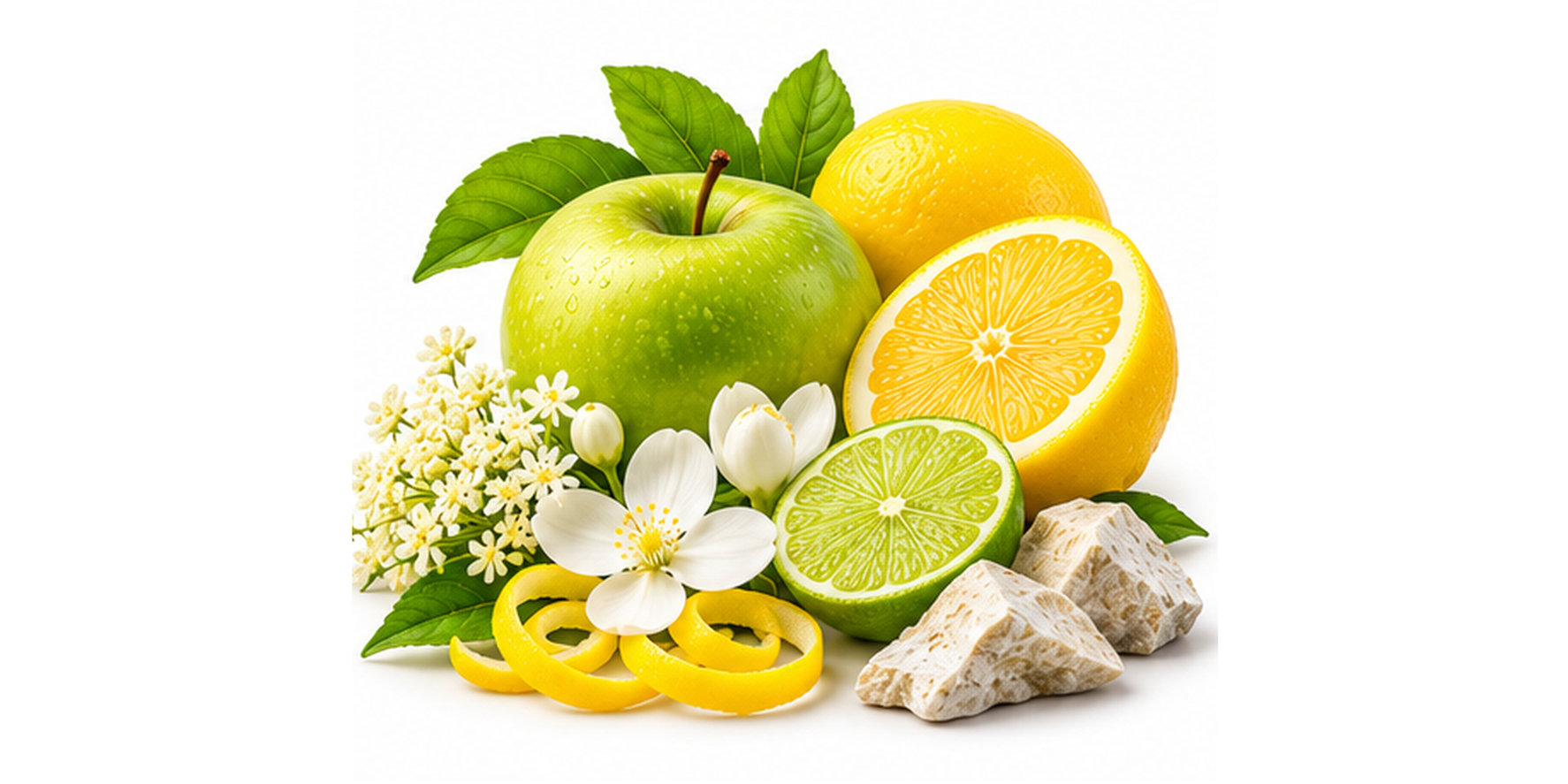
Fresh, elegant whites with citrus and floral notes.
Chardonnay also grows in Beaujolais, especially on limestone and clay-rich sites. It produces dry, fresh white wines with apple, citrus and floral notes, sometimes with a subtle mineral finish.
WINE STYLE
light to medium-bodied · dry · refreshing acidity · elegant
TYPICAL AROMAS
citrus · green apple · white flowers · mineral notes
FOOD PAIRING
fish · poultry · fresh salads · mild cheese
WYNEATLAS
explore by country —
discover the regions
APPELLATIONS
03 / 03
appellations
Twelve appellations, including ten distinguished crus
REGIONAL APPELLATIONS
Beaujolais
Fresh, fruit-forward red wines.
Beaujolais-Villages
More depth and concentration than regional Beaujolais.
THE TEN CRUS
Brouilly
Juicy, welcoming and fruit-driven.
Côte de Brouilly
Firmer structure with mineral notes.
Régnié
Supple and fruit-driven.
Morgon
Deeper, structured and often age-worthy.
Chiroubles
Light and lively.
Fleurie
Floral, elegant and silky.
Moulin-à-Vent
Structured, with good ageing potential.
Chénas
Spice and depth.
Juliénas
Often spicy and robust.
Saint-Amour
Styles range from tender to structured.
Characteristic wine styles:Fresh Beaujolais Nouveau, fruit-driven Beaujolais and Beaujolais-Villages, complex Gamay from ten crus, rosé and dry Chardonnay-based whites.